
A well-designed ventilation structure can regulate the temperature difference between the inside and outside of the roof, reduce condensation, and prevent structural corrosion or insulation material failure caused by moisture accumulation.
Before a typhoon arrives, wind load distribution efficiency can be improved by quickly installing detachable wind-resistant supports.
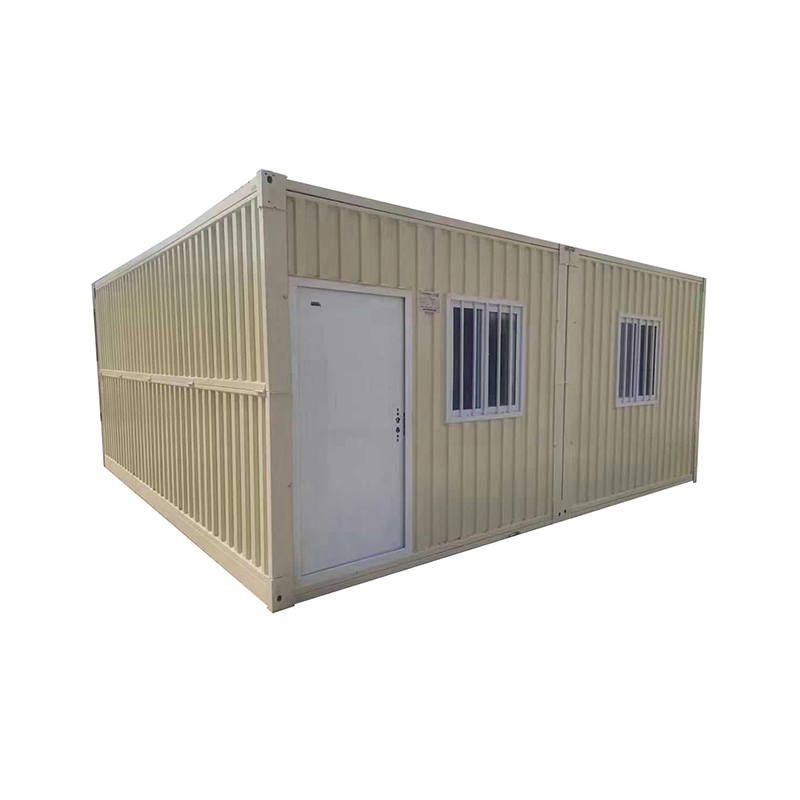
The lightweight nature of corrugated container houses makes them sensitive to wind loads, and the airtightness and structural continuity at the joints are key to wind resistance.
To improve the seismic performance of detachable container house connection nodes, seismic damping connection node technology has gradually become a research hotspot in recent years.
Its core technology needs to balance short-term seepage prevention with long-term durability to ensure stability in different environments.
Ensuring the structural integrity of detachable container houses during transportation requires a commitment to the entire process, including packaging, loading and unloading, transportation, and monitoring.